THE REWARD NOTEBOOK
Good questions.
Useful answers.
20 source-linked notes for a more considered treat cupboard. Individual feeding and medical questions belong with your veterinarian.
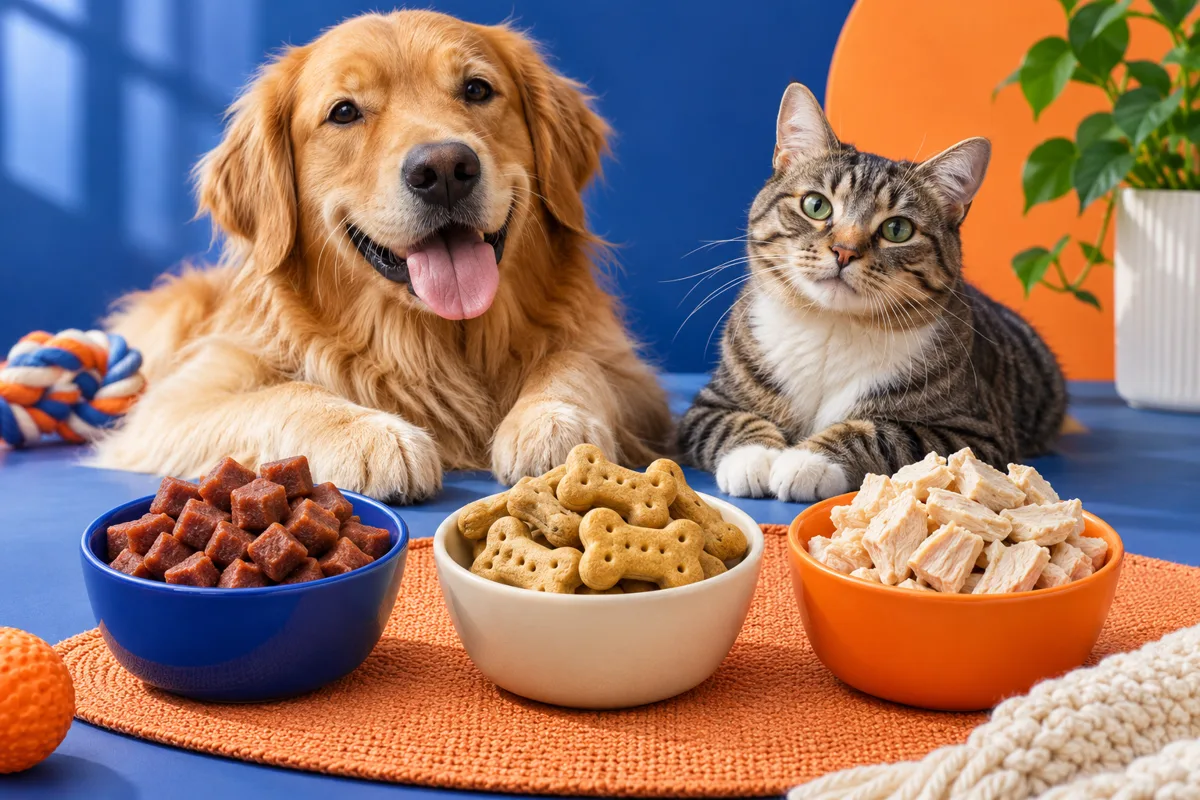
Soft bites, crunchy biscuits or freeze-dried pieces?
Choose a format for the intended use and your pet’s label requirements, rather than treating softness, crunch or freeze drying as a universal quality ranking.
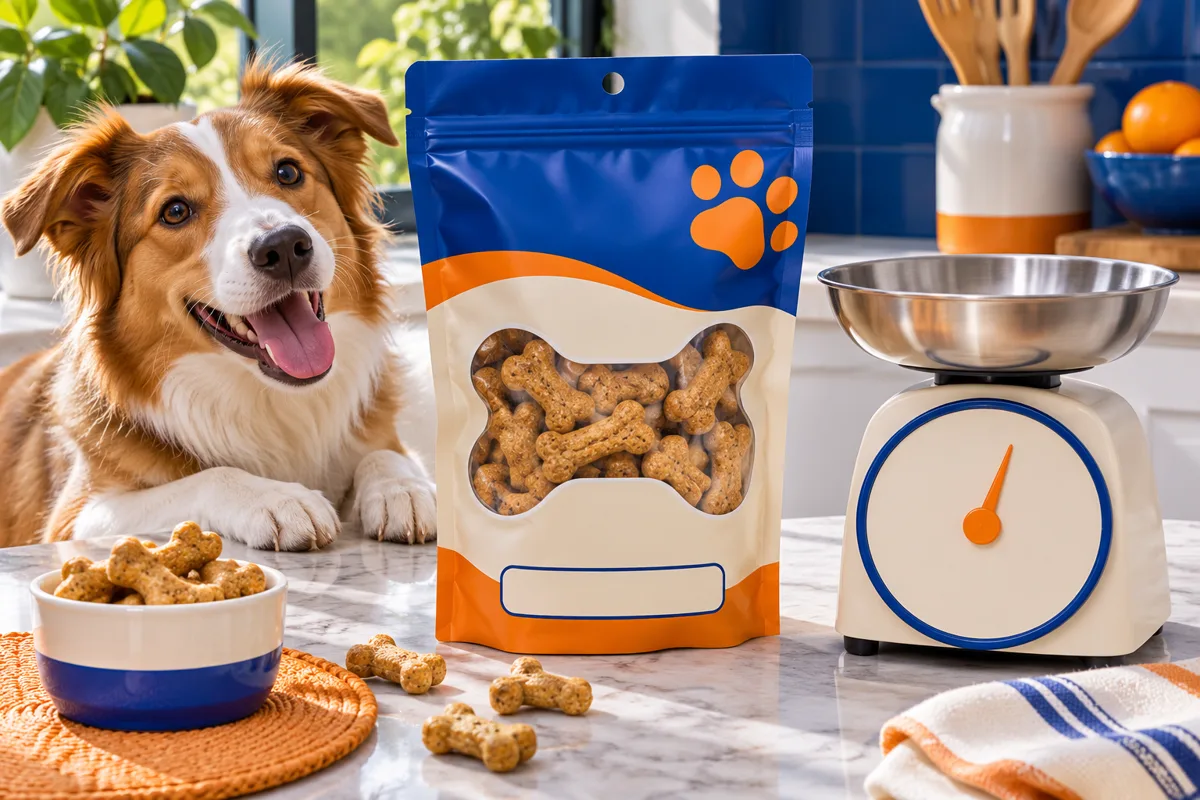
Compare pet treats by weight or count—not bag size
Divide the actual price by the full declared net weight or a reliable piece count. Bag dimensions and a large product photograph do not establish the amount you are buying.
Check a pet-treat lot against FDA notices
Match the complete product, species, format, package size, lot and date details in the current official notice. A familiar brand, a future best-before date or an empty search result does not establish safety clearance.
A treat is not automatically a complete and balanced meal
Read the product’s intended purpose and nutritional-adequacy wording. A bag labeled treat or snack should not be assumed to replace a complete and balanced dog or cat food.
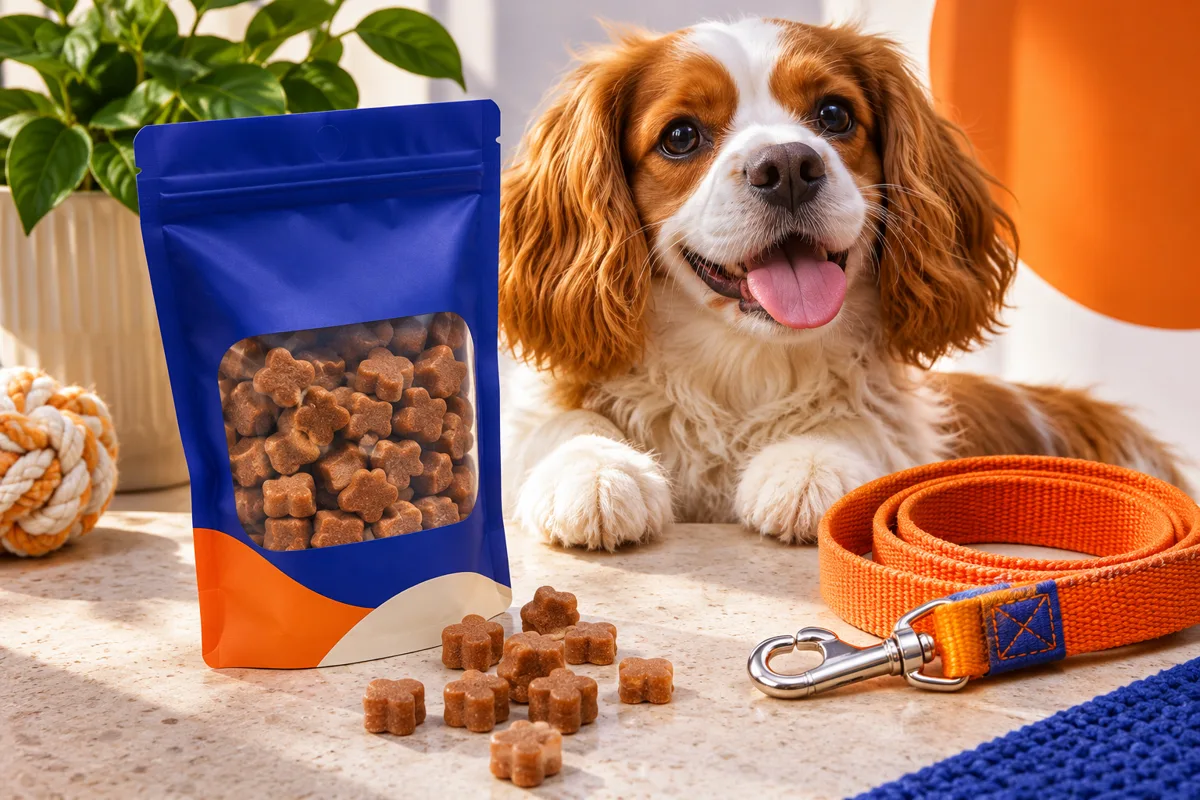
Training-treat value: piece size and package math are separate
Compare a training treat’s net weight, declared or estimated count, handling and label information separately. A very large piece count is not a recommendation for how many rewards to give.
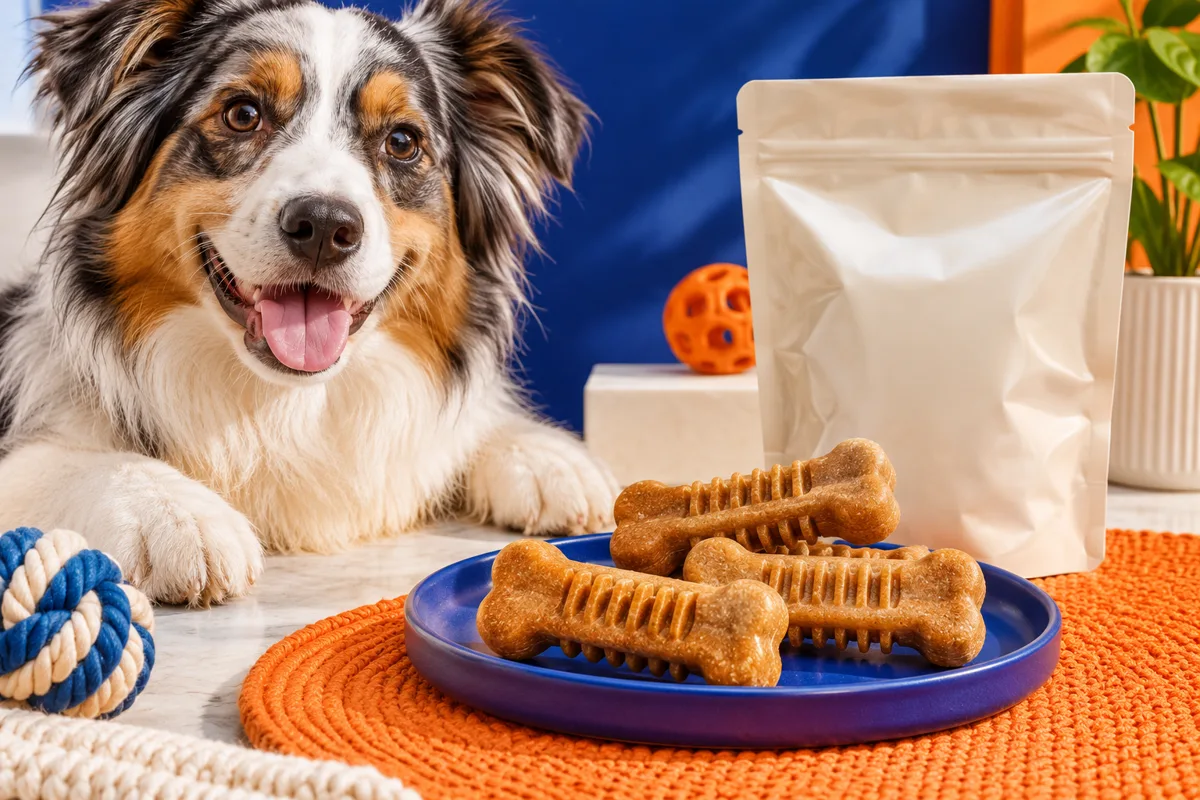
Dental chews: read the exact size and product directions
Match the exact species, size variant and directions before buying a dental chew. Do not infer fit or clinical benefit from a tooth-shaped product or a low unit price.
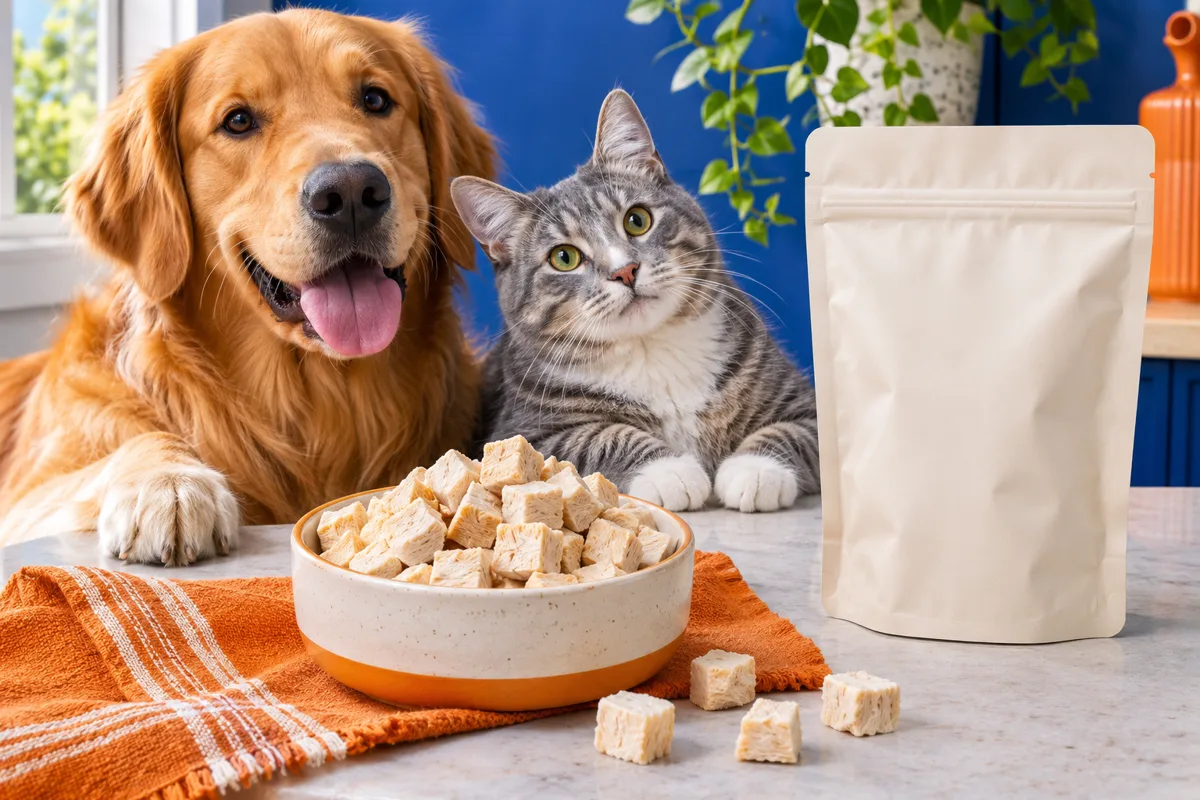
Freeze-dried does not mean you can skip handling instructions
Freeze drying describes a process, not a universal safety certificate. Read the exact product, handling and storage directions, and check current notices independently.
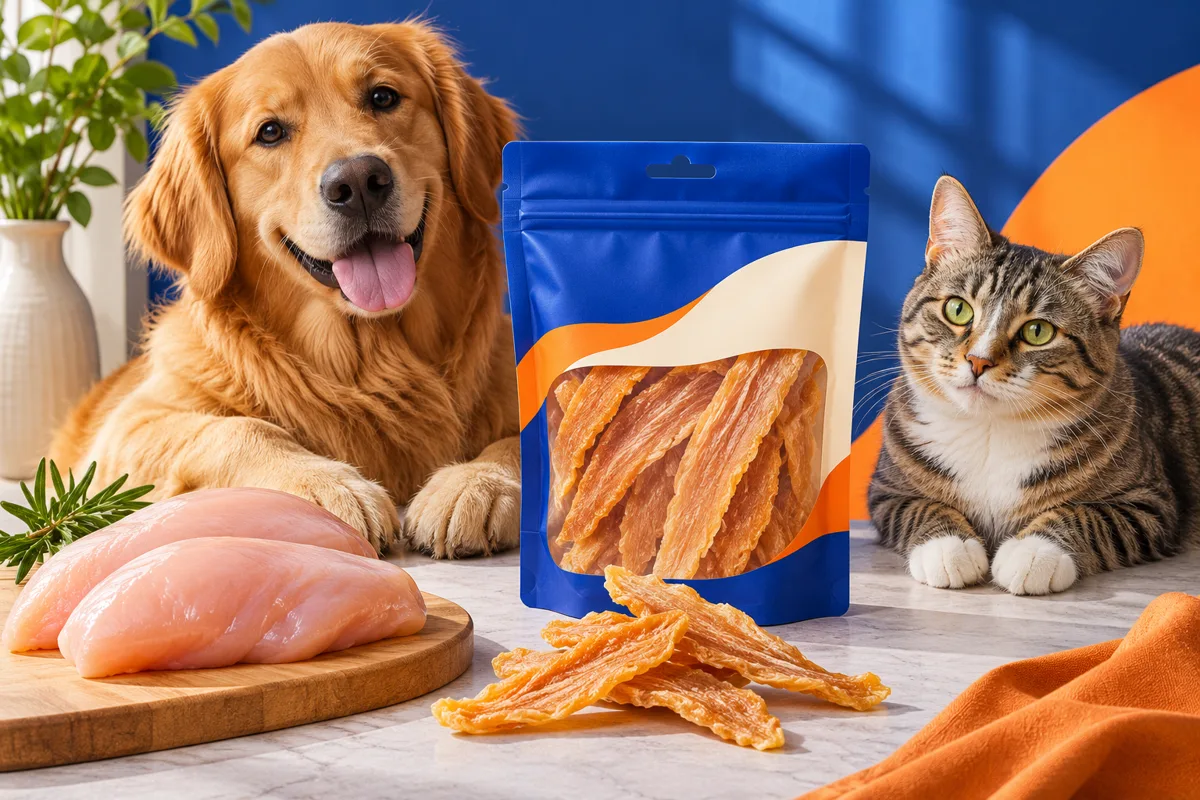
Single-ingredient treats: a simpler label is still a label to read
A single-ingredient claim can make a comparison easier, but it does not prove a product is allergy-proof, nutritionally complete or appropriate for every pet.
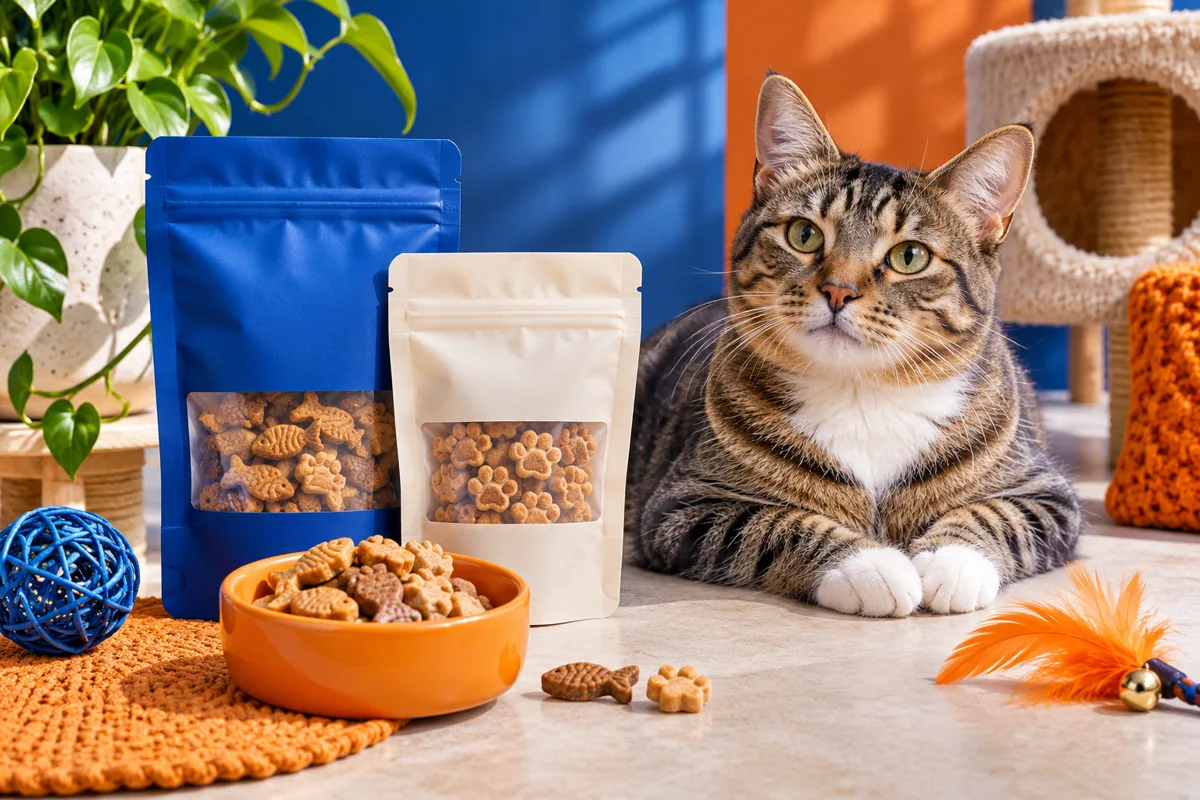
Cat and dog treats: compare the intended species first
Check whether the exact product is intended for cats, dogs or both. Similar ingredients or a familiar flavor do not automatically make two differently labeled products interchangeable.
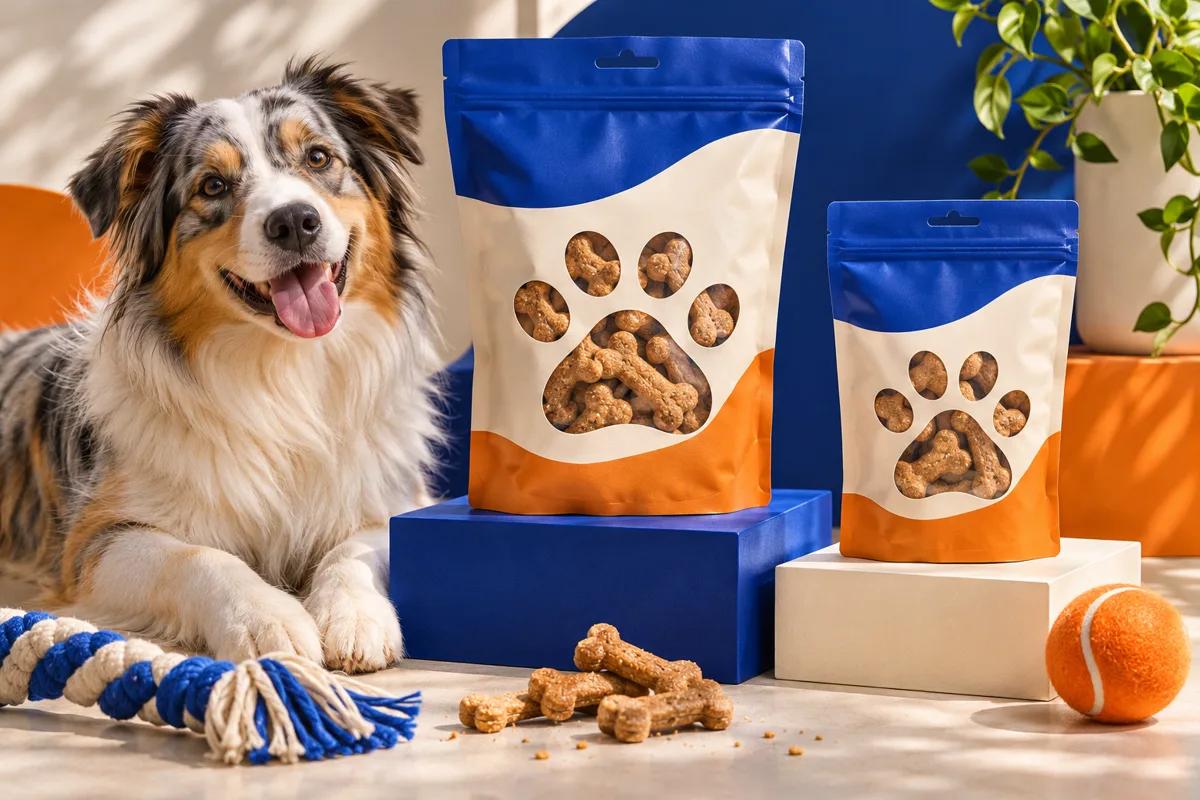
When a bigger treat bag is—and is not—a better buy
A larger bag is a practical saving only when the comparable unit price is lower, the product already suits your established use, and its handling and storage directions can be followed.
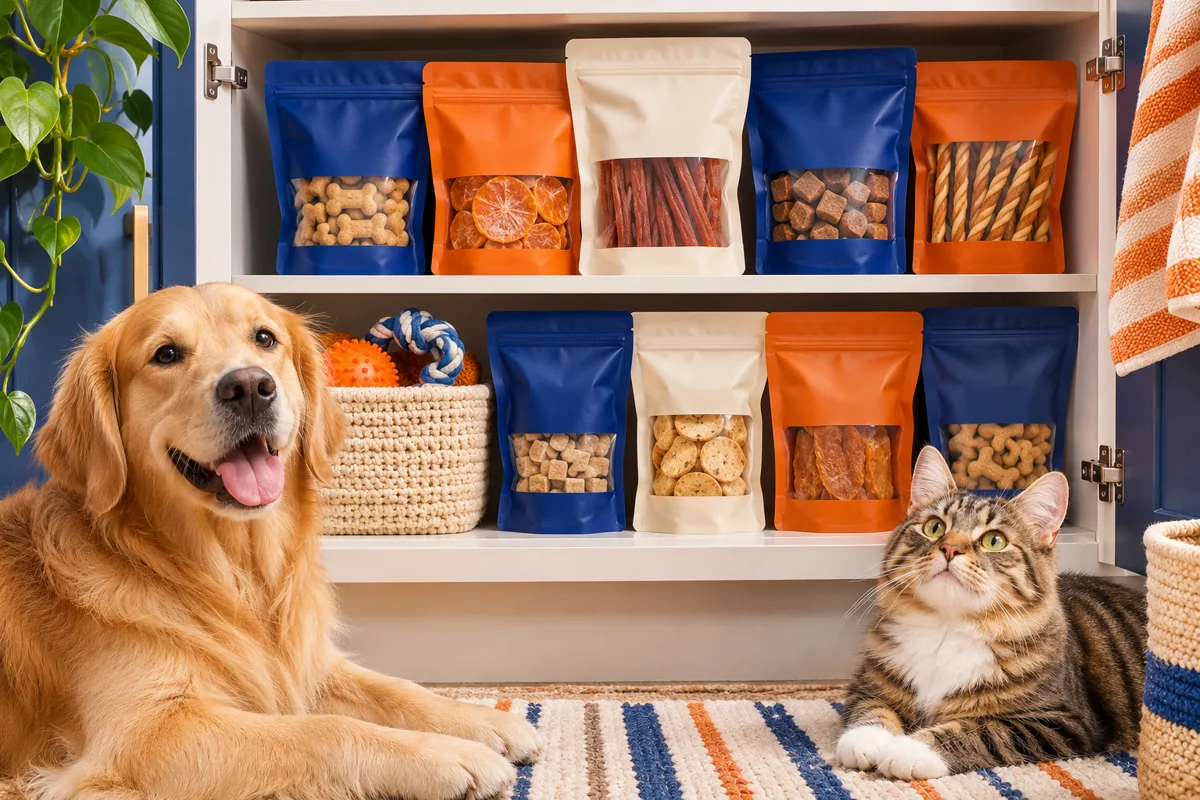
A dry treat shelf starts with the package directions
Follow the exact storage instructions, keep products protected from damage and retain the lot and date information. An attractive container does not by itself establish safe storage.
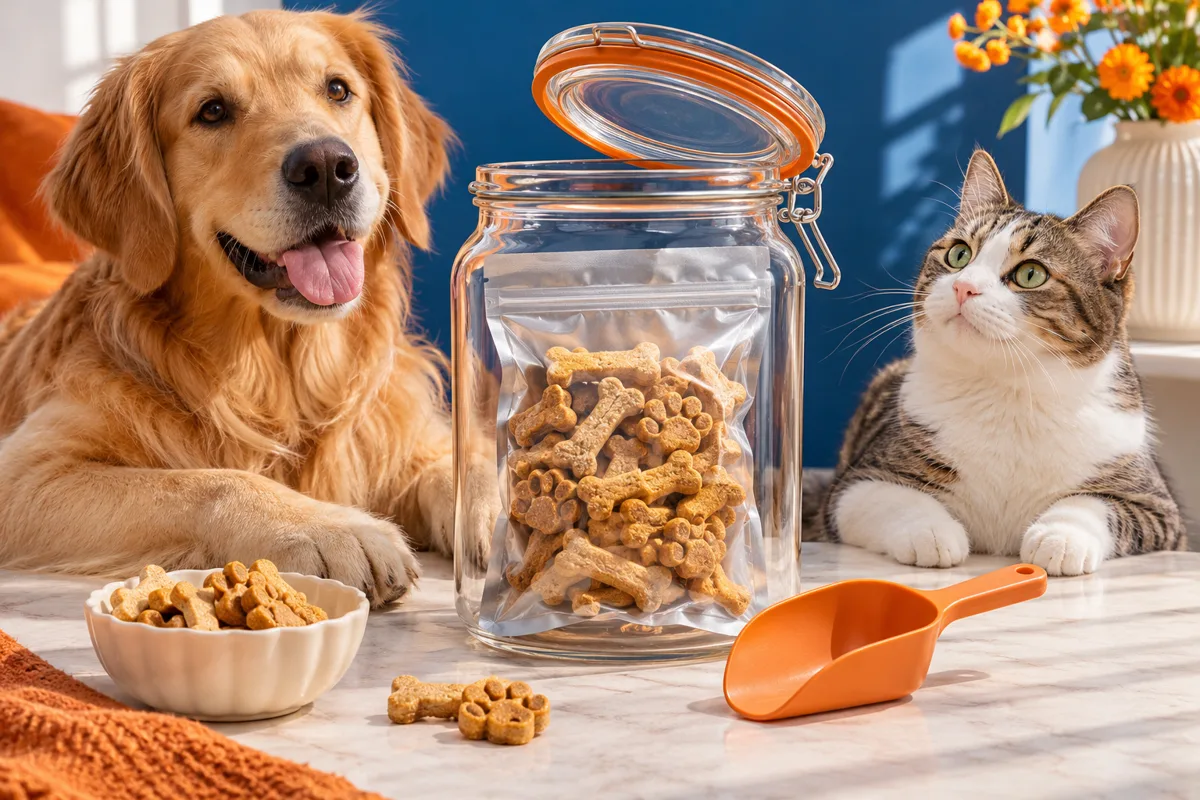
Decanting treats into a jar? Keep the lot with the food
If you use a storage jar, retain the original product identification and follow the manufacturer’s storage directions. A convenient jar should not make the lot, date or recipe impossible to identify.
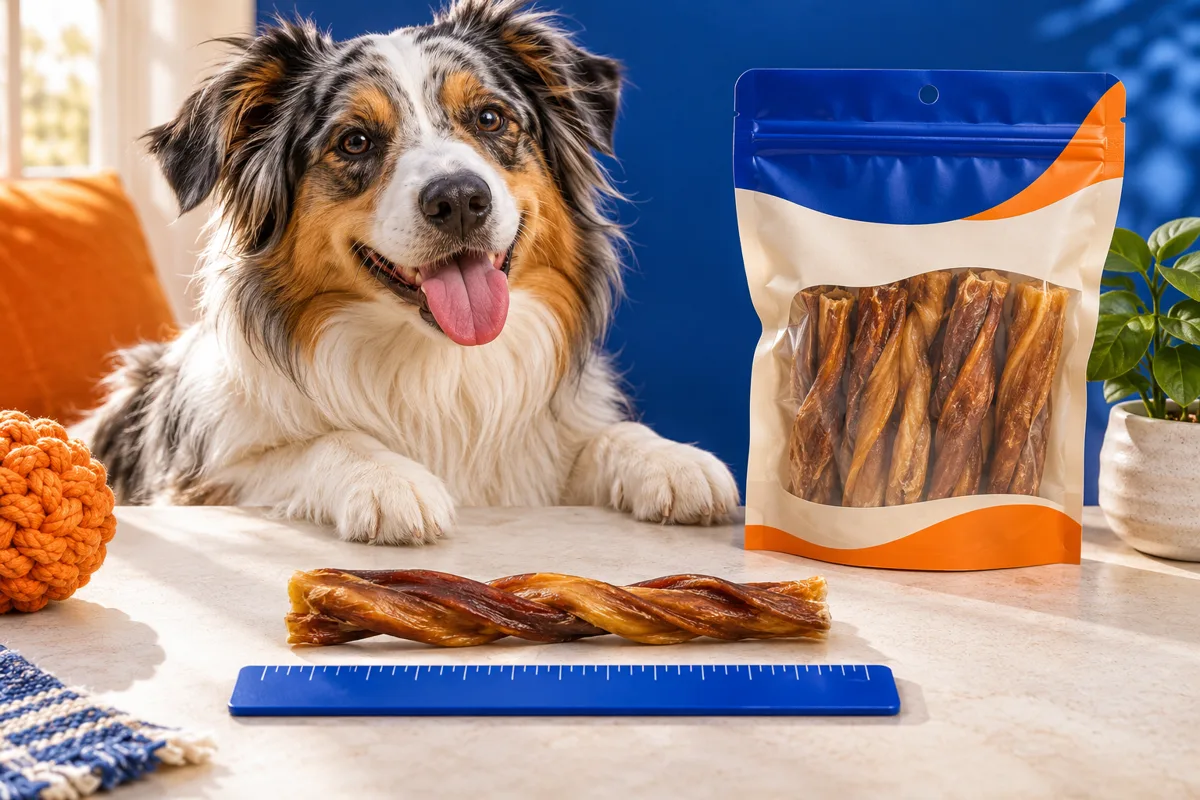
Choose a chew by its exact instructions, not an online photograph
A photograph cannot establish chew dimensions, hardness, appropriate species or suitability for an individual pet. Check the exact package and ask the manufacturer or veterinarian about unresolved fit concerns.
kcal/kg and kcal per treat are different label measurements
A calorie-density figure describes energy for a mass of food; a per-treat figure describes a stated or average piece. Neither number alone tells you an individual pet’s recommended allowance.
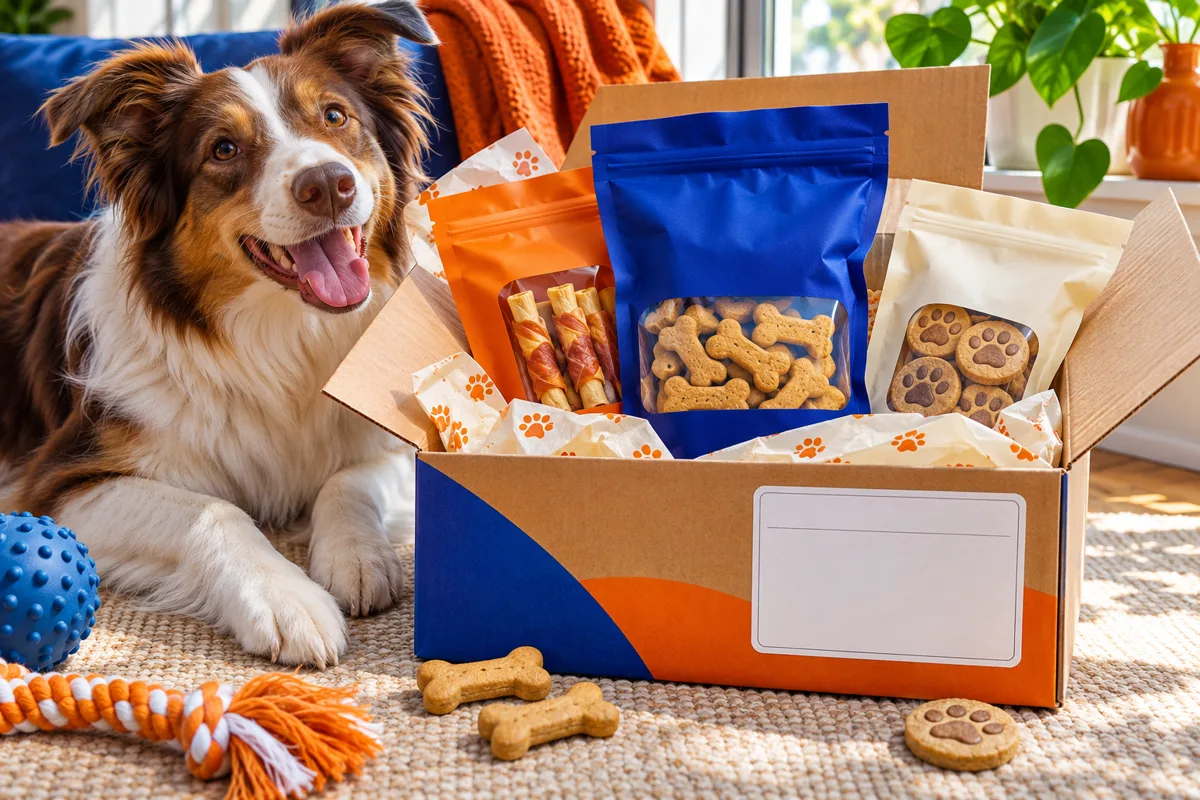
Inspect an online treat order before putting it in the cupboard
Match the delivered item to the order and check its condition, identification and date. A listing photograph and a delivery confirmation are not a substitute for inspecting the actual package.
First Autoship price, repeat price and buy-once price are not the same
Compare the purchase mode you will actually use. A first-order promotion can be different from a later subscription price and from the ordinary buy-once price.
Plan treat inventory from your own count and use assumption
Count what remains and enter a use assumption you have already chosen. An inventory estimate describes that scenario; it does not tell you how many treats a pet should receive.
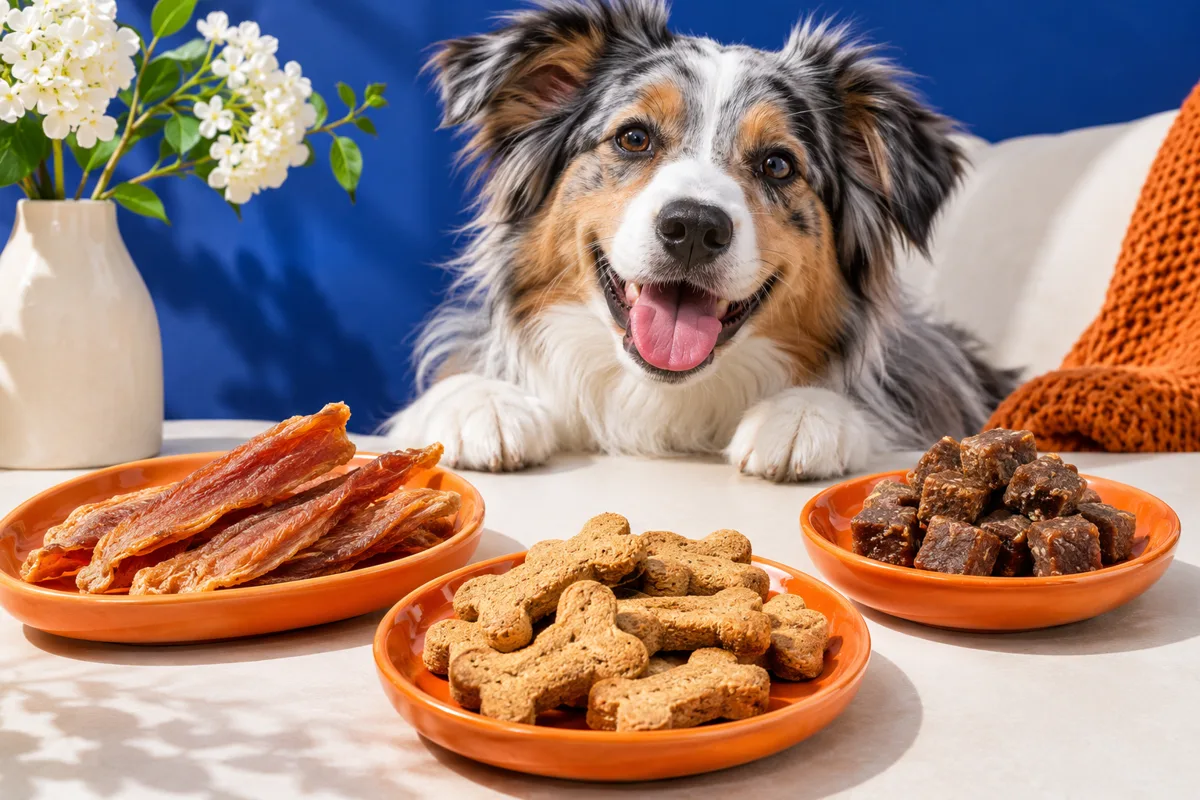
Soft or crunchy: a preference question with clear limits
Choose texture for the intended use and the exact product instructions. Do not assume soft means medically suitable, crunchy means dental treatment, or a preferred texture is a complete nutrition decision.
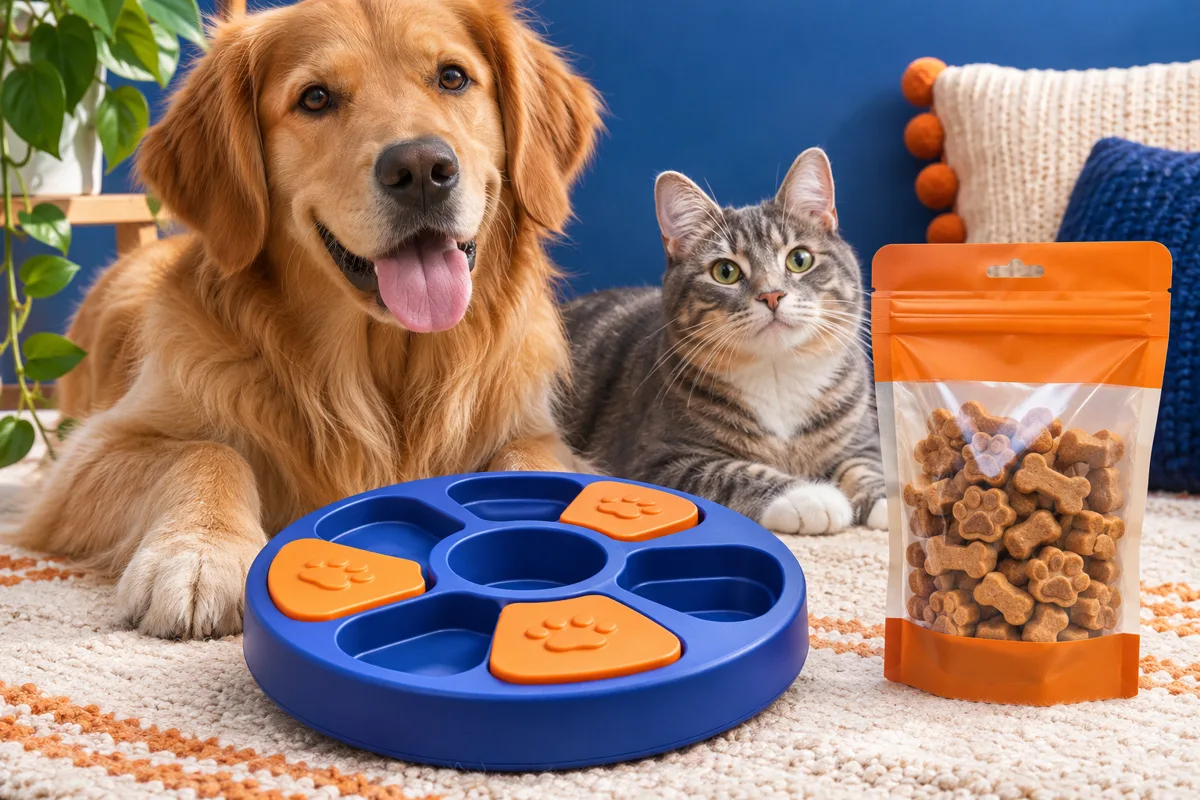
Treats for a puzzle toy: check the toy and food directions together
Use the toy manufacturer’s compatibility and supervision instructions as well as the treat label. A treat that drops through a hole or gets stuck is not automatically the right format for that device.
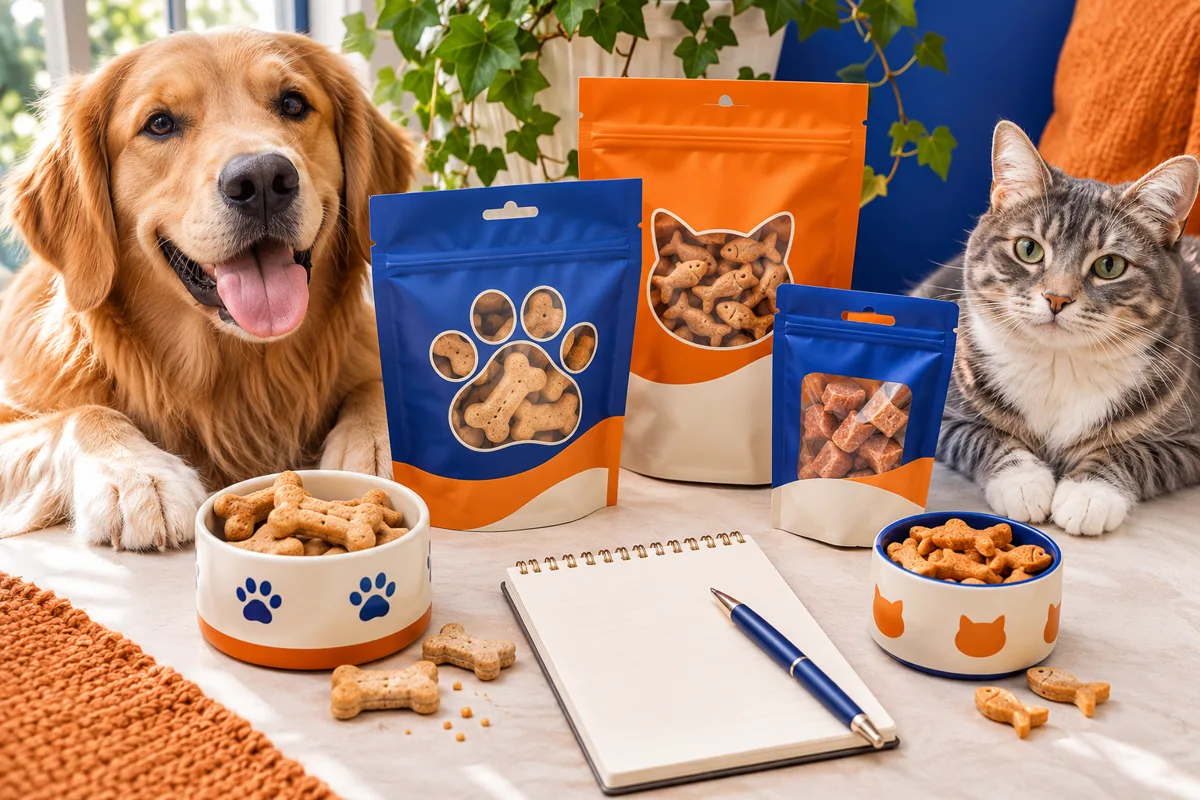
Three US treat listings: weight, count and dated prices
These are purchase-format examples, not a health, taste or feeding ranking. On November 4, 2026, the observed Chewy US buy-once prices were $12.99, $16.85 and $36.97 for the configurations below.